Blog ·
Creating Year-Round Appeal: Seasonal Landscaping Strategies
Creating Year-Round Appeal: Seasonal Landscaping Strategies
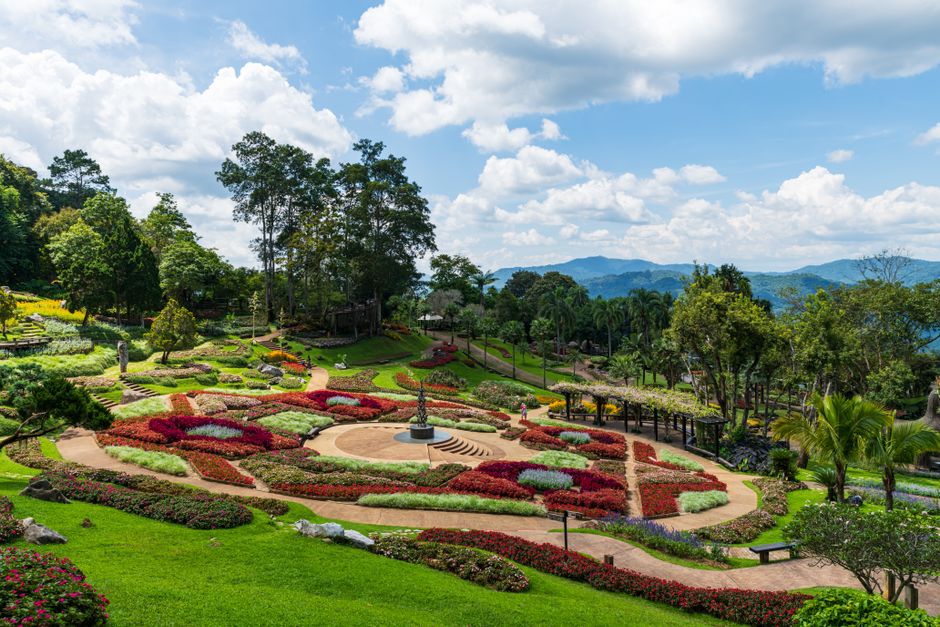
Most homeowners view their landscape as a summer concern, but the most visually compelling yards maintain beauty across all four seasons. Strategic planning transforms your outdoor space into a constantly evolving masterpiece that provides visual interest, curb appeal, and personal enjoyment throughout the entire year.
Spring represents renewal and fresh energy. Emerging perennials and blooming bulbs signal growth and possibility. Early bloomers—crocuses, hellebores, and ornamental cherries—wake dormant landscapes before summer plants take center stage. Native woodland plants like trillium and bloodroot thrive in shaded areas, creating interest under deciduous trees before canopies fully leaf out. Spring planting of annuals and tender perennials establishes the season's primary color displays.
Summer demands careful management of heat and water stress while showcasing peak bloom periods. Hydrangeas, roses, coneflowers, and dahlias provide abundant color, but successive planting ensures blooms appear continuously rather than all at once. Foliage takes on primary importance during hot months—variegated hostas, purple-leafed sedums, and silver artemisia carry visual weight when fewer flowers bloom. Consistent watering and mulching prevent heat stress and maintain freshness when temperatures soar.
Autumn offers drama through color transformation. Beyond traditional maples, many shrubs and perennials provide stunning seasonal displays. Burning bush, oakleaf hydrangea, and ornamental grasses shift to warm tones while late-blooming asters and sedum extend the flower season. Seedpods and dried foliage of ornamental grasses create architectural interest as other plants fade. This season rewards plants selected for more than spring and summer bloom.
Winter reveals garden structure and bones. Deciduous trees showcase distinctive branching patterns and peeling bark. Evergreens—both broadleaf varieties like holly and coniferous types like dwarf conifers—provide year-round color and texture. Winter berries on pyracantha, winterberry, and dogwood attract wildlife while brightening gray landscapes. Ornamental grasses maintain tall, sculptural forms that catch frost and snow. Architectural hardscape elements—stone walls, pergolas, raised beds—become prominent features in winter's simplified landscape.
Strategic plant selection accomplishes this year-round appeal. Choose species for multiple seasons of interest—spring bloom, summer foliage, autumn color, winter structure, or berry production. Layering different plant types—trees, shrubs, perennials, grasses, and groundcovers—ensures something engages the eye in every season.
Native plants naturally align with seasonal rhythms, providing food and habitat for wildlife while requiring minimal intervention. Their peak performance matches local climate conditions, reducing stress and maintenance.
Hardscape elements gain visual importance in dormant seasons. Mulch color, stone pathways, and garden structures should harmonize with overall landscape aesthetics rather than looking temporary. Thoughtfully designed hardscaping provides framework that guides the eye even when plants rest.
Year-round appeal reflects intentional design that celebrates each season's unique characteristics rather than mourning what's absent. This approach creates landscapes worth experiencing in every season.